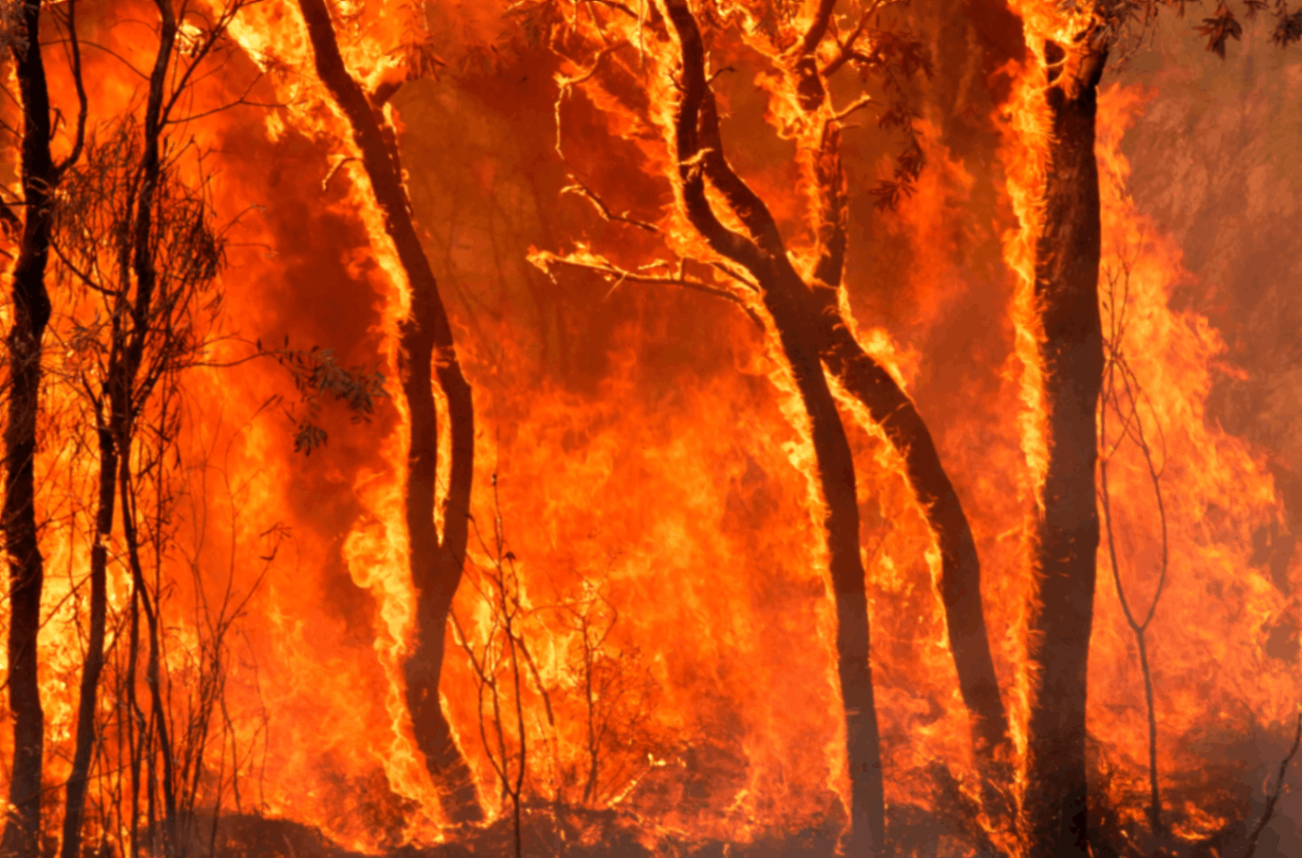
Accelerant Use Analysis
Molecular detection of gasoline, thinner, and solvent residues using GC-MS technology to provide court-admissible evidence in arson investigations.
Establishing Deliberate Fires (Arson) Through Physical Evidence
Accelerant use analysis is the most decisive forensic process for determining whether a fire suspected of being arson was a deliberate act. Although arsonists often assume they leave no trace, liquid accelerants are never entirely destroyed even by intense heat — they seep into concrete pores, beneath floorboards, into carpet fibers, or deep within layers of ash. Our expert team exposes these hidden hydrocarbon fingerprints to forensic-science standards.
Field Screening and Advanced Laboratory Methods
The operational process, from sampling at the scene to the final report submitted to the court, consists of the following technical steps:
Field Pre-Screening and Correct Sample Selection
Using photoionization detectors (PID) and portable gas-screening devices, porous surfaces (wood, concrete, textile residue) at the 'origin' points most likely to hold liquid accelerants are identified and placed in airtight, specialized forensic sample bags.
Headspace and SPME (Solid Phase Microextraction) Techniques
In the laboratory, samples are heated within sealed systems without being opened, causing flammable liquids absorbed into the material to volatilize (volatile organic compounds). These vapors are captured by SPME fibers or activated-carbon filters and prepared for analysis.
GC-MS Hydrocarbon Fingerprint Matching
The resulting extracts are injected into a Gas Chromatography-Mass Spectrometry device. The resulting graphs (chromatograms) are matched against library data of crude-petroleum derivatives and commercial solvents, identifying the brand and type of accelerant (e.g. unleaded gasoline, thinner) with 100% certainty.
Why Should Accelerant Analysis Be Performed?
Insurance companies are obligated to pay damage claims unless arson is proven. Likewise, convicting a suspect in a judicial proceeding requires scientific proof that the fire was started not by natural means but by an external agent (an accelerant). This analysis determines the outcome of the legal process.
"In short: accelerant use analysis finds the chemical signatures hidden within the chaotic ashes of a fire, exposing arson beyond any reasonable doubt."
- Service Duration
- Laboratory-focused (avg. 2–4 days)
- Reporting
- Compliant with Forensic and Criminalistic Standards (Conclusive Evidence)
- Coverage
- All of Turkey