The Scientific Definition of the Flashover Phenomenon
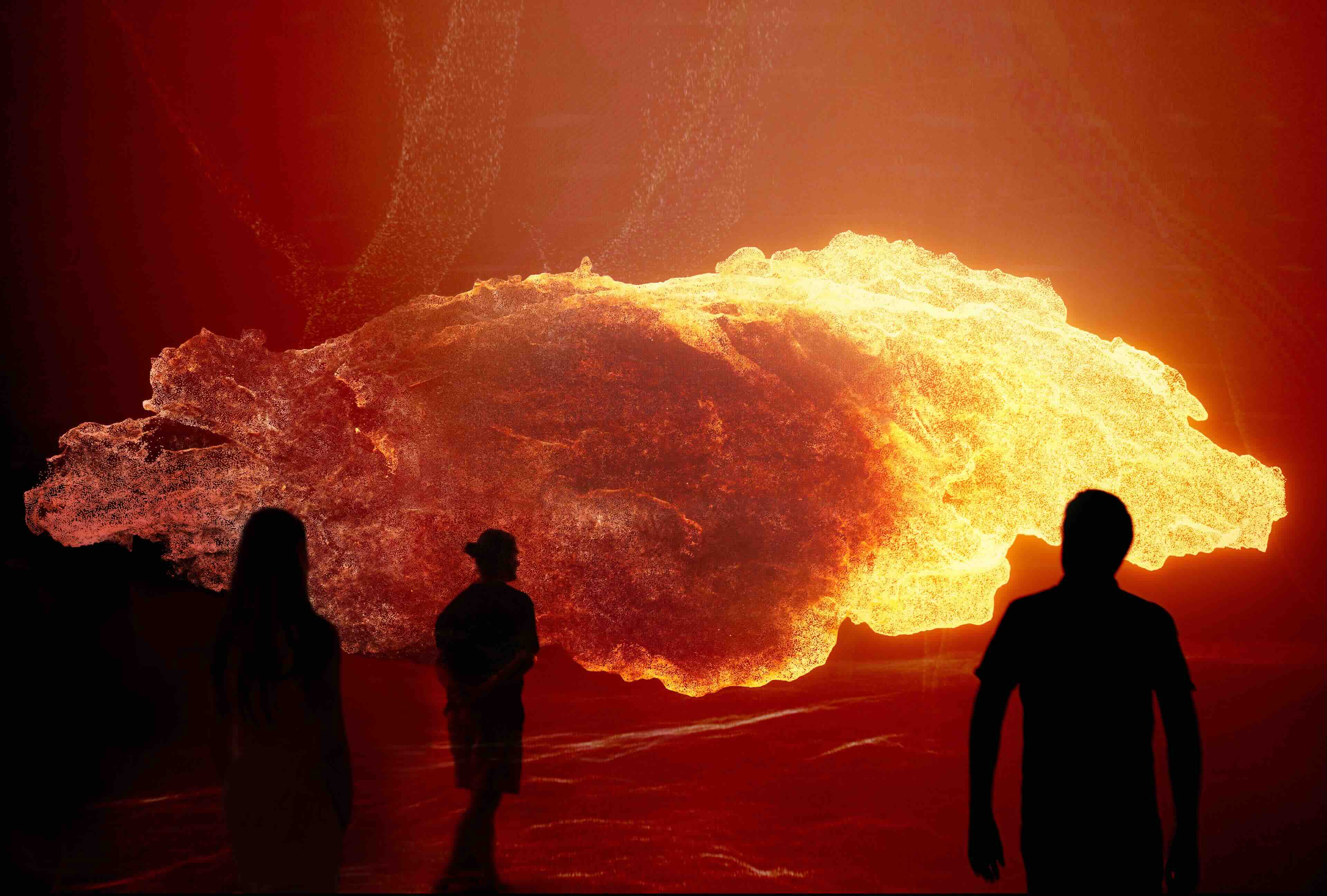
Flashover is the phenomenon in which, during an ongoing fire in an enclosed space (a room, office, warehouse, etc.), the surface temperatures of all combustible materials in the space simultaneously reach their ignition point due to intense radiant heat, causing everything to burst into flame together within seconds. This is not an explosion, but a thermal-imbalance transition phase. Up until this point, the fire progresses in a 'fuel-controlled' manner (growing only as large as the burning object); once flashover occurs, it becomes entirely 'ventilation/oxygen-controlled,' and everything in the room turns into a single, massive mass of flame.
How Does a Fire Reach the Flashover Stage? (Chronological Process)
A small flame in a room reaches flashover level within minutes, depending on the type of materials in the room and airflow, through the following stages:
The smoke and hot gases (such as carbon monoxide) rising from the first object to catch fire — a bed, sofa, or table — are light and quickly rise to the ceiling. This hot-gas layer accumulating at the ceiling (the thermal layer) begins radiating an immense wave of heat back down toward the floor.
This intense radiant heat striking downward from the ceiling breaks down the chemical structure of furniture, curtains, and plastics on the other side of the room that have not yet come into direct contact with flame, causing them to release flammable gases (pyrolysis).
Once the ceiling temperature reaches roughly 500°C to 600°C, and the heat flux striking the floor exceeds a certain intensity (roughly 20 kW/m²), every object in the room ignites spontaneously within seconds, without a single spark touching it.
Why Is Flashover So Dangerous?
For fire investigators and firefighting teams, the flashover stage is an irreversible breaking point:
Once flashover occurs, the room's temperature suddenly spikes above 800°C to 1000°C. No protective equipment, including modern firefighter gear, can withstand this environment, and the chance of survival for anyone inside is entirely eliminated.
The extreme thermal load causes concrete to crack and steel structures to lose strength and buckle, damaging load-bearing columns and triggering the risk of building collapse.
The immense flames and superheated gases that burst out of the room after flashover escape under doors or through windows, setting other rooms and corridors of the building ablaze at jet speed.
Examining Flashover from a Fire Forensics Perspective
For forensic experts examining a fire scene, understanding whether flashover occurred can change the course of a case:
Because flashover chars everything in a room uniformly, it can conceal the true point of origin. Experts must microscopically distinguish the deep burn marks that formed before flashover from the surface charring that occurred after it.
By examining the types of items in the room, mathematical fire models simulate the exact minute at which flashover occurred. This provides definitive answers to legal questions such as 'did the fire department arrive too late?' or 'did the fire-suppression systems activate on time?'