Istanbul Count Széchenyi Fire Museum
Preserving over 300 years of fire defense history from the Ottoman Empire to modern Turkey, the museum is housed in the monumental 16th-century Kılıç Ali Paşa Cistern in Beşiktaş, showcasing an extraordinary journey from water pumpers to contemporary brigades.
EXECUTIVE SUMMARY: HISTORY & SIGNIFICANCE
- First founded in 1931 adjacent to Fatih Fire Station, dedicated in 1998 to Count Széchenyi, and relocated in 2013 to the magnificent Kılıç Ali Paşa Water Cistern in Beşiktaş.
- Istanbul fire history evolved across 4 defined stages: 1720 Tulumbacılar Guild, 1826 Neighborhood Pumpers & Tanzimat, 1874 Count Széchenyi Military Regiment, and the modern Republican era.
- Count Ödön Széchenyi devoted 48 years to Istanbul, establishing 3 army battalions and the world’s first organized Marine Fire Corps in 1884; promoted to Lieutenant General (Ferik) by Sultan Abdülhamid II.
- The collection exhibits early 18th-century manual pumpers, horse-drawn steam pump carts, brass helmets, officer axes, rescue lines, and telegraph switchboards within a 500-year-old stone cistern.
- Admission is completely free on weekdays; serving as an invaluable educational and research center for fire prevention and forensics.
The Evolution of Istanbul’s Fire Defense Corps
Ravaging conflagrations in Istanbul’s wooden residential quarters catalyzed three centuries of relentless organizational innovation:
The Tulumbacılar Guild (Dergâh-ı Âli)
/// French convert engineer Davud-ı Hakiki and manual water pumps
- In the 17th century, pumps were solely used for bilge water in vessels. In 1714, French naval engineer Davud-ı Hakiki adapted them to extinguish structure fires.
- Grand Vizier Nevşehirli Damat İbrahim Pasha formally established the Tulumbacılar Guild under the Janissary Corps in 1720, granting Davud the title of "Ağa".
- 50 guard stations were positioned across Istanbul by 1759. The guild operated continuously for 106 years until the abolition of the Janissaries in 1826.
Neighborhood Tulumbacıs & Tanzimat Era
/// The 1826 Hocapaşa Fire, Municipal Brigades & Neighborhood Youth Guilds
- When the Janissaries were disbanded, the fire corps dissolved. Six weeks later, the massive 1826 Hocapaşa fire consumed a fifth of Istanbul, demonstrating the urgent need for professional firefighters.
- Sultan Mahmud II instituted a disciplined semi-military unit in 1827 under the Zaptiye and Asakir-i Mansure-i Muhammediye forces.
- The 1857 Municipal Edict gave rise to local "Daireli" teams and colorful neighborhood voluntary pumpers famed for their agility, felt caps, sprints, and distinctive folk culture.
Military Regimentation & The Széchenyi Era
/// 1870 Great Pera Fire, 3 Infantry Fire Battalions & World’s First Marine Brigade
- Following the devastating 1870 Beyoğlu (Pera) blaze, Sultan Abdülaziz recruited Hungarian Count Ödön Széchenyi, founder of the Vienna and Budapest fire brigades.
- Széchenyi formed 3 army fire battalions and founded the pioneering Bahriye (Marine) Fire Battalion in 1884 to protect the Bosphorus wooden mansions and port terminals.
- Sultan Abdülhamid II conferred upon Széchenyi the rank of Ferik (Lieutenant General), making him General Commander of All Fire Regiments for over four decades.
The Republican Era & Modern Municipal Brigade
/// Civilian transition, high-tech fleet modernization, and forensic investigation
- With the founding of the Turkish Republic, firefighting transitioned to civilian municipal governance while adopting international safety and mechanical standards.
- In May 1996, museum collections were transferred to the İBB Directorate of Libraries and Museums for scientific curation.
- Today, Istanbul Fire Department is a globally accredited organization equipped with advanced aerial platforms, specialized HazMat units, and scientific origin-cause inquiry.
TODAY: A LIVING HISTORICAL SANCTUARY IN BEŞİKTAŞ
Following comprehensive restoration of the 16th-century Kılıç Ali Paşa Cistern in Beşiktaş, the curated collection reopened to the public in 2013, educating thousands of students and visitors annually.
A Journey Through the Beşiktaş Fire Museum
Produced on location by Yangın Kriminal, this video tour explores the historic Ottoman pumpers, authentic equipment, brass helmets, and evocative stone vaults of the Beşiktaş Kılıç Ali Paşa Cistern museum.
Historic Relics & Original Apparatus
Over a thousand historical artifacts spanning three centuries are preserved in pristine condition:
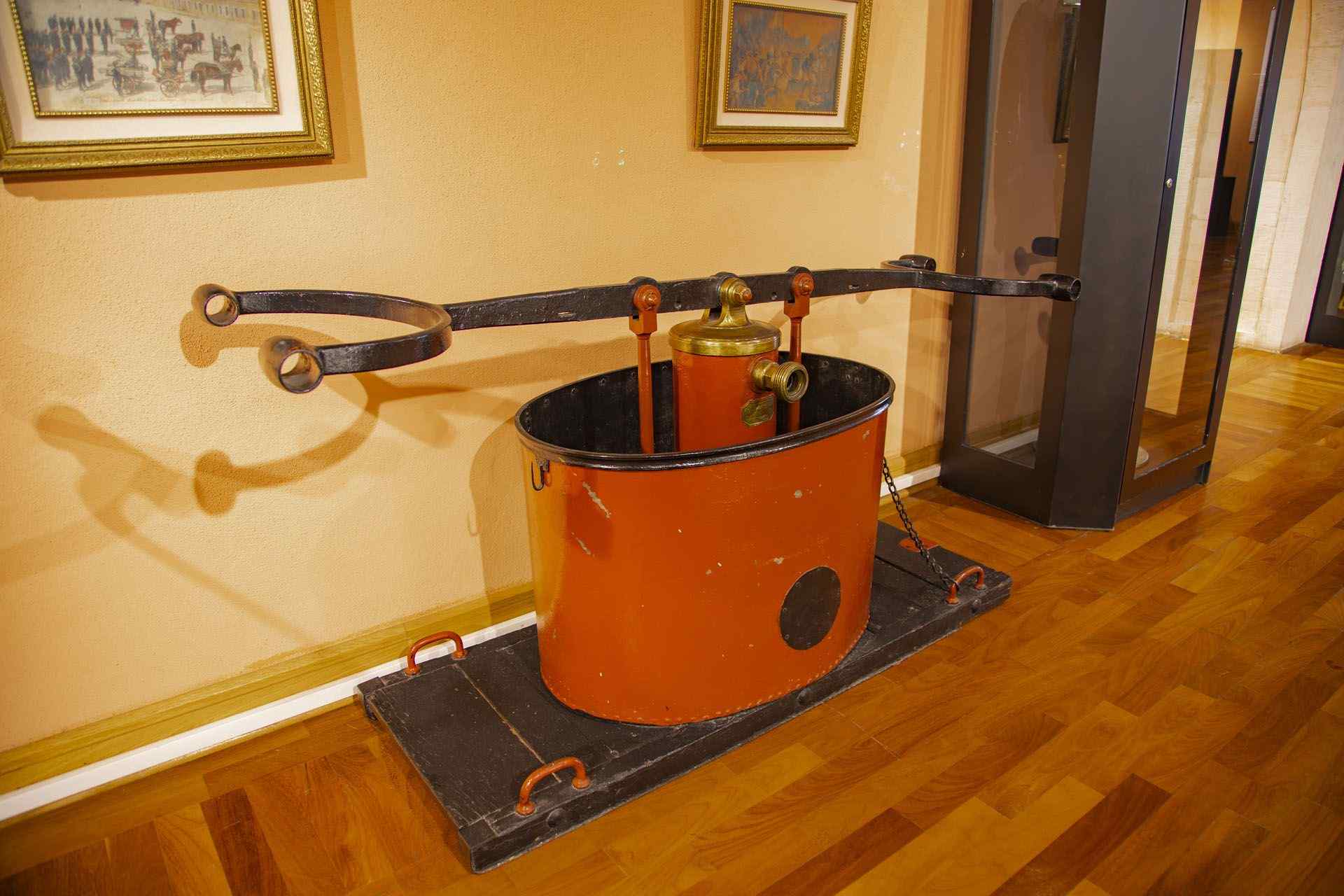
 18TH & 19TH CENTURY
18th-Century Manual Pumps & Tulumbas
Original 1714 designs by Davud-ı Hakiki, portable chest pumps carried on human shoulders, and mechanical lever pumps.
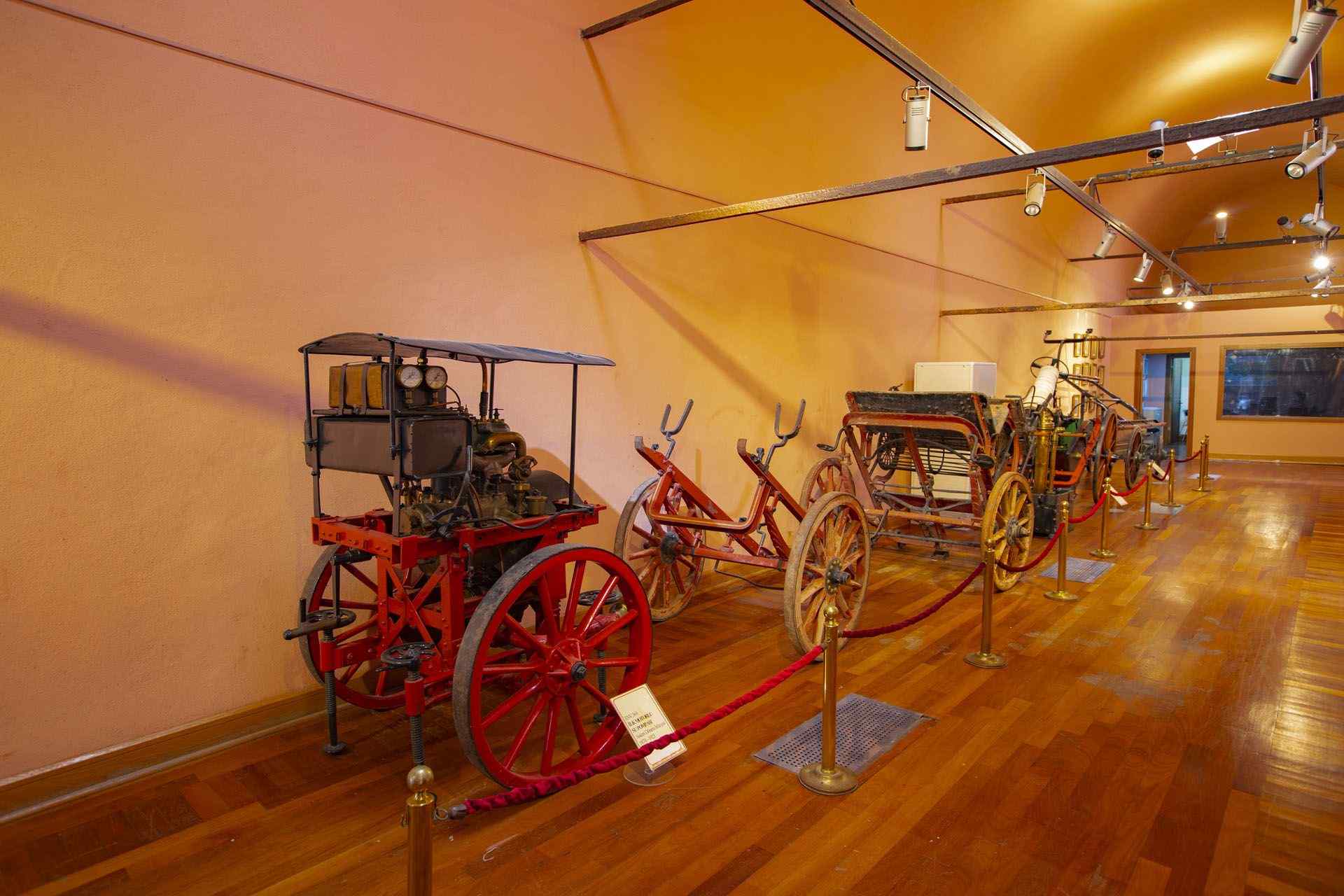 LATE 19TH CENTURY
Horse-Drawn Steam Pumps & Transport Carts
Modernized steam pumping machines imported from Europe during the Széchenyi era alongside dispatch wagons.
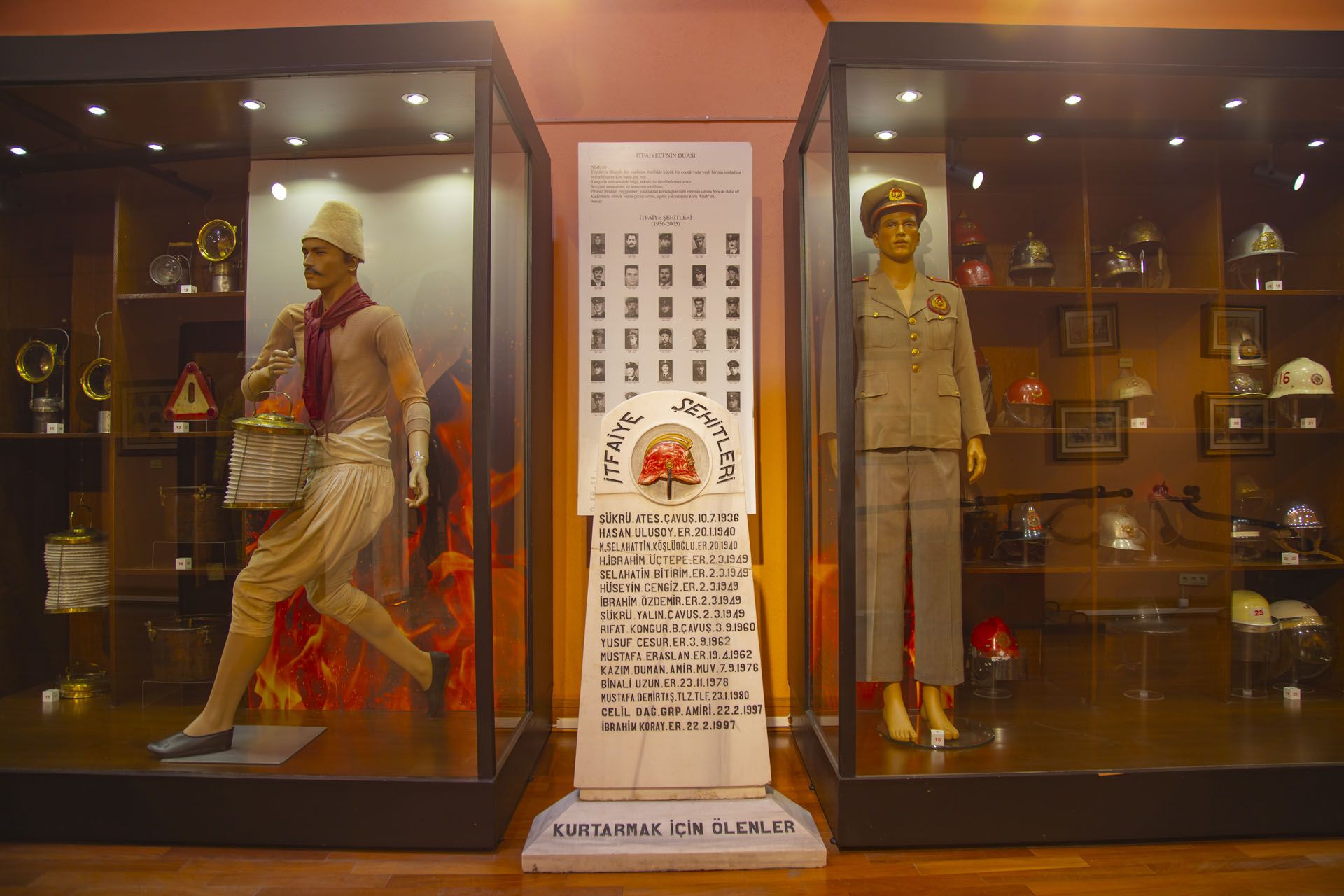
 UNIFORMS & GEAR
Helmets, Axes & Firefighter Apparel
Historical felt caps, polished brass helmets, commander axes, life-saving hemp cords, and early telephone switchboards.
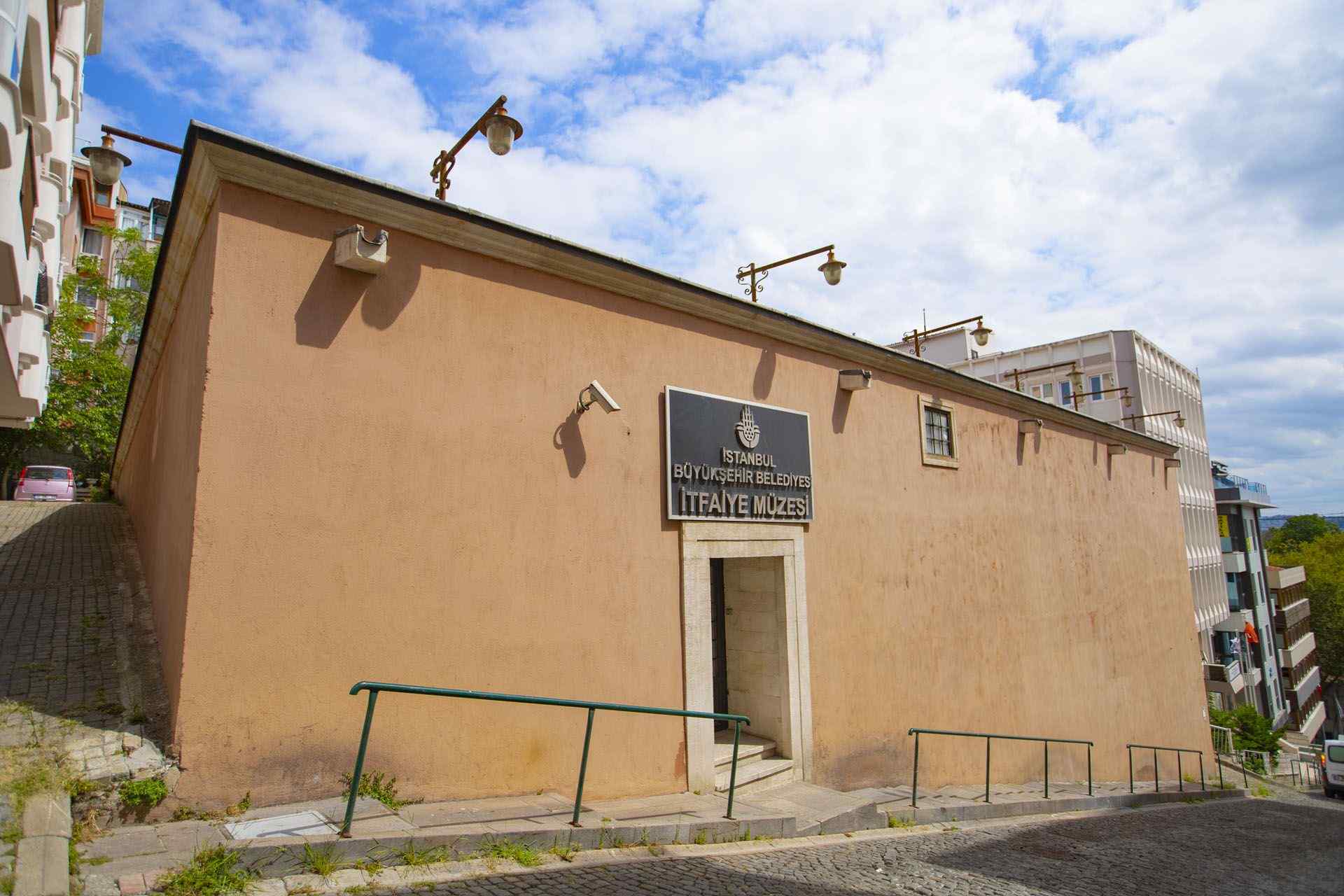 HISTORIC MONUMENT
Kılıç Ali Paşa Cistern Architecture
The monumental stone reservoir structure dating back to the classical Ottoman architectural heyday of the 16th century.
Combating Arson: The "Men-i Harik" Imperial Decree
Count Széchenyi not only transformed tactical firefighting apparatus, but pioneered the legal and forensic investigation of fire origins in Istanbul.
During the reign of Sultan Abdülhamid II, archival investigations revealed that a significant portion of destructive fires were deliberately started by property owners seeking insurance fraud compensation.
In response, Sultan Abdülhamid II instructed Count Széchenyi and Major Refet Bey to formulate the 8-article "Men-i Harik" (Fire Prevention & Arson Repression) Decree, establishing severe penal sanctions for intentional fire-setting—marking the birth of formal fire forensics in Turkey.
“48 years dedicated to Istanbul built not merely an army that quenched flames, but a forensic discipline that held intentional fire-setters accountable.”
- Son of Hungarian national reformer Count István Széchenyi; arrived in Istanbul in 1871 upon Sultan Abdülaziz’s personal request after founding the Budapest brigade.
- The only foreign-born commander in Ottoman history to attain the rank of Ferik (Lieutenant General) and hold the post of General Fire Commander for 40 years.
- His 1884 Bahriye (Marine) Fire Corps was among the very first organized naval firefighting squadrons in global history.
- He lived in Istanbul until his passing in 1922 and was laid to rest with full firefighter military honors at Feriköy Catholic Cemetery.
How to Visit the Museum in Beşiktaş
Situated in central Beşiktaş within the historic Kılıç Ali Paşa Cistern, the museum offers an exceptional cultural experience for enthusiasts and professionals alike.
Yıldız Mahallesi, Çitlembik Yokuşu, Horoz Sokak No: 1, Beşiktaş / Istanbul
Weekdays (Monday – Friday): 09:00 – 16:30 (Closed weekends & public holidays)
/// Note: Some older maps mistakenly show the old Fatih Zeyrek depot. Since 2013, the active museum welcomes visitors exclusively at the Beşiktaş Cistern location.
Frequently Asked Questions
Where is the Istanbul Fire Museum and how do I get there?+
Is there an admission fee for the museum?+
Who was Count Ödön Széchenyi?+
What exhibits can be seen in the museum?+
How does Yangın Kriminal connect to this historical heritage?+
From Ancient Guilds to Modern Forensic Fire Analysis
The fight against fire that began three centuries ago with wooden pumps has transformed into microscopic electrical arc diagnostics, chemical accelerant testing, and rigorous expert witness testimonies.
YANGIN KRİMİNAL FORENSIC DESK
Proper evidence collection at the fire scene directly determines court verdicts and insurance settlements. Consult our certified specialists.